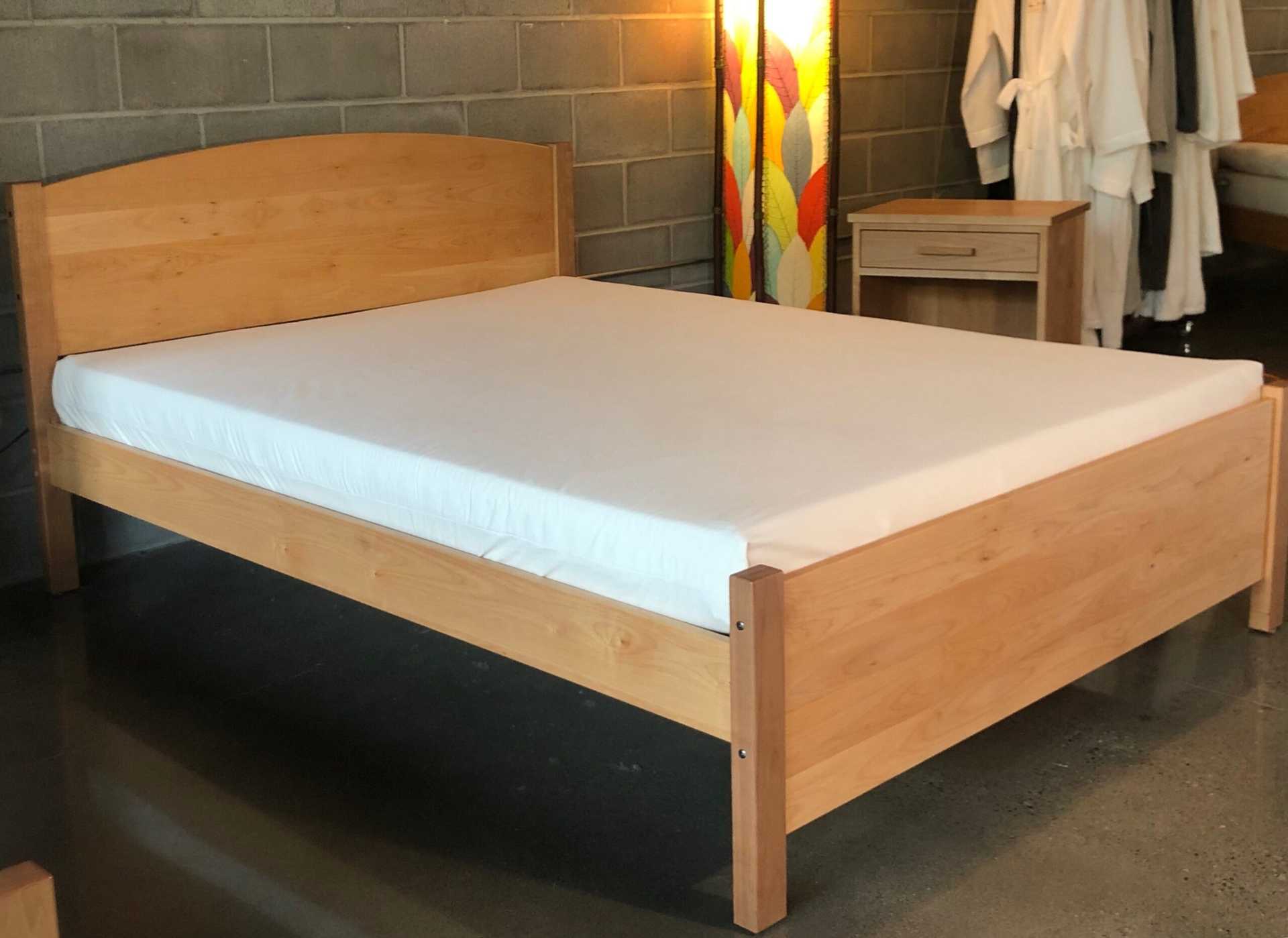
Blankets add a flexible layer of warmth and comfort to bedding, helping adapt a bed to changing temperatures and personal preferences. Their materials, weight, weave, and size influence breathability, softness, and insulation. When coordinating blankets with pillows and sheets, consider the mattress dimensions and how the layers will be used through the year.
Natural fibers such as wool can help regulate warmth while allowing moisture to move away from the body, whereas cotton blankets are often valued for their light, breathable feel. Construction also matters: woven, knitted, and quilted styles offer different textures and levels of coverage. These characteristics can help guide choices for sleeping, resting, or layering.
Blankets are part of a broader bedding system, alongside sheets, pillows, and the mattress beneath them. A lighter blanket may suit warmer rooms or serve as an extra layer, while a heavier option can provide more substantial warmth. Checking care instructions and fiber composition helps clarify maintenance needs and expected use.
Related products include the Organic Mattress - Latex 6.5", which combines organic materials with a 6.5-inch latex construction. Latex provides responsive support and pressure distribution, while an organic-material design may appeal to people seeking natural components. Although a mattress is not a blanket, its surface and dimensions affect how bedding layers fit and feel.
The Natural Wool & Latex Mattress 6.5 Inch pairs wool with latex in a 6.5-inch mattress design. Wool can contribute natural temperature regulation, while latex offers resilient support; together, these features relate to comfort beneath blankets and other bedding. Understanding mattress materials can help explain how sheets, pillows, and blankets work as a coordinated sleep setup.
 Bedding